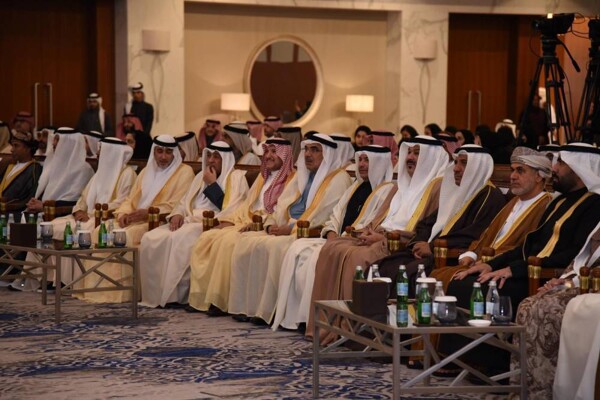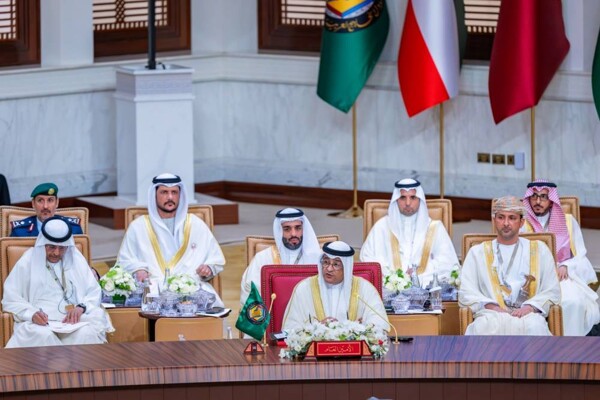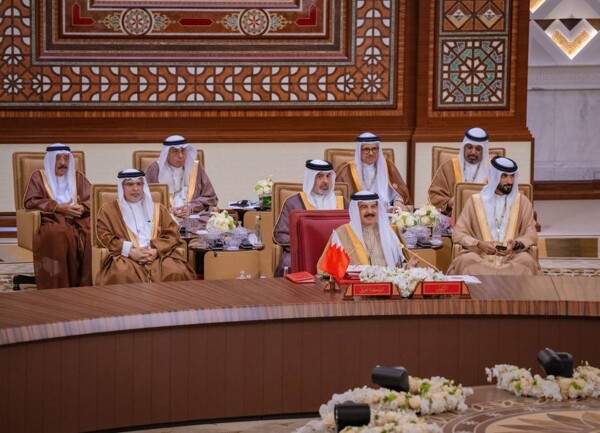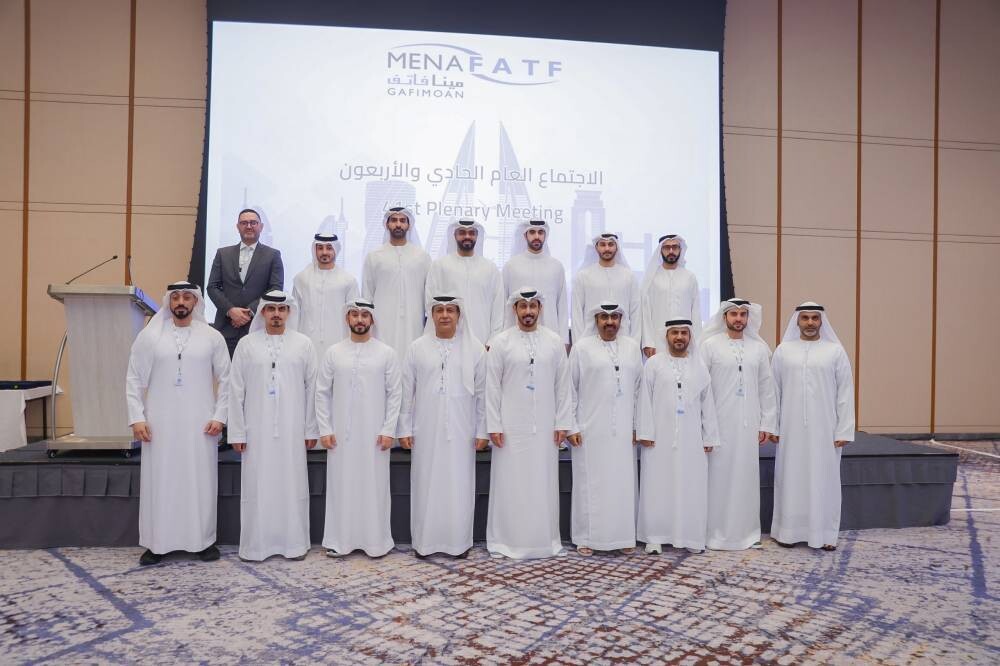
The 41st Plenary Meeting of the Middle East and North Africa Financial Action Task Force (MENAFATF) concluded in Manama, Bahrain, announcing that the United Arab Emirates (UAE) will assume the presidency of the group starting in January 2026. Hamed Al Zaabi, Secretary-General and Vice-Chairman of the National Committee for Combating Money Laundering and the Financing of Terrorism and Proliferation, will assume the role of President during the UAE's presidency. Hamed Al Zaabi stated that the UAE welcomes the responsibility of leading MENAFATF in 2026, a position they are honored to hold in appreciation for the trust of member states. This reflects the country's standing in the field of combating money laundering, terrorist financing, and the financing of proliferation. He praised the leadership of the Hashemite Kingdom of Jordan and Samia Abu Sharif for contributing to the group's progress this year. He emphasized that the UAE and Bahrain will continue to work through their shared priorities, building on this strong foundation to advance the regional action plan towards further progress and effectiveness. The priorities will focus on strengthening international and regional cooperation, empowering the group's secretariat to achieve a sustainable impact, and ensuring member states are prepared for the fifth round of mutual evaluations. The meetings, held from November 9-12, 2025, brought together high-level delegations from member states, observers, and international partners, concluding a week of intensive discussions focused on enhancing regional cooperation to combat money laundering, terrorist financing, and the financing of proliferation. Sessions included meetings for the Financial Intelligence Units Forum, the Risk Committee, the Terrorist Financing Operational Forum, the Mutual Evaluation Team, and the Technical Assistance and Implementation Models Team. It is recalled that MENAFATF was established in 2004 and comprises 21 countries committed to protecting the integrity of their financial and economic systems. As president of the group, the UAE will work to enhance regional efforts against money laundering, terrorist financing, and the financing of proliferation. The shared priorities of the UAE-Bahrain presidency include strengthening the group's role in enhancing member states' readiness for the third round of mutual evaluations and providing necessary support, as well as continuing to strengthen the group's governance. Other priorities include supporting the group in implementing and achieving the FATF Recommendations Action Plan to increase the effectiveness and targeting of the group's measures, and enhancing cooperation and coordination with international and regional partners, observers, and similar regional groups in line with the group's strategic plan and action plan. This will support member states' priorities and improve compliance and effectiveness outputs. Priorities also include efforts to implement international standards by identifying and understanding risks and trends in money laundering, terrorist financing, and the financing of proliferation, as well as supporting the logistical resources allocated to the MENAFATF Secretariat. By assuming the presidency of the group in 2026, the UAE reaffirms its steadfast commitment to supporting regional and international efforts to protect the global financial system from financial crimes, enhancing cooperation and integration among regional countries, and contributing to building a more efficient and resilient regional system capable of facing future challenges. This reflects the country's prestigious position within the global FATF network, its leadership in combating money laundering, terrorist financing, and the financing of proliferation, and its role in enhancing strategic partnerships and upholding the principles of transparency, integrity, and compliance with international standards.